
What we do
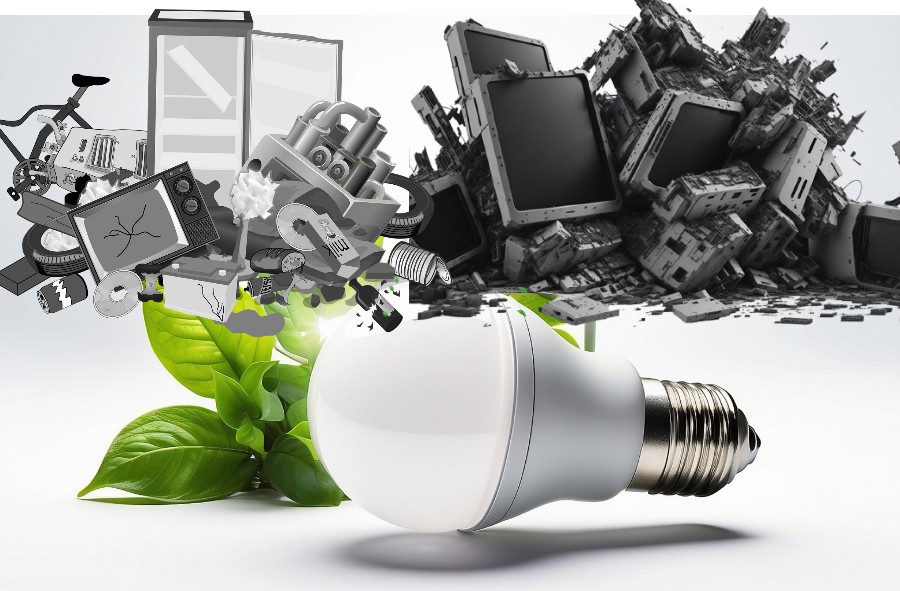
eWAsTER project aims to promote local and regional policies for better e-waste management, to reduce e-waste environmental damage in the selected areas, while promoting new innovative eco-business models based on the conversion of the currently lineal electrical and electronic (E&E) sector into a sustainable circular model.
The project gather partners and associated organizations, covering 7 EU (Portugal, Spain, Greece, Bulgaria, Slovenia, Italy and Cyprus) and 1 IPA country (Bosnia and Herzegovina), which will approve 8 new Waste Management Plans, covering the main recommendations of the “Circular Electronics Initiative” of the EU Circular Economy Action Plan.

HOW DOES THE PROJECT WORK?
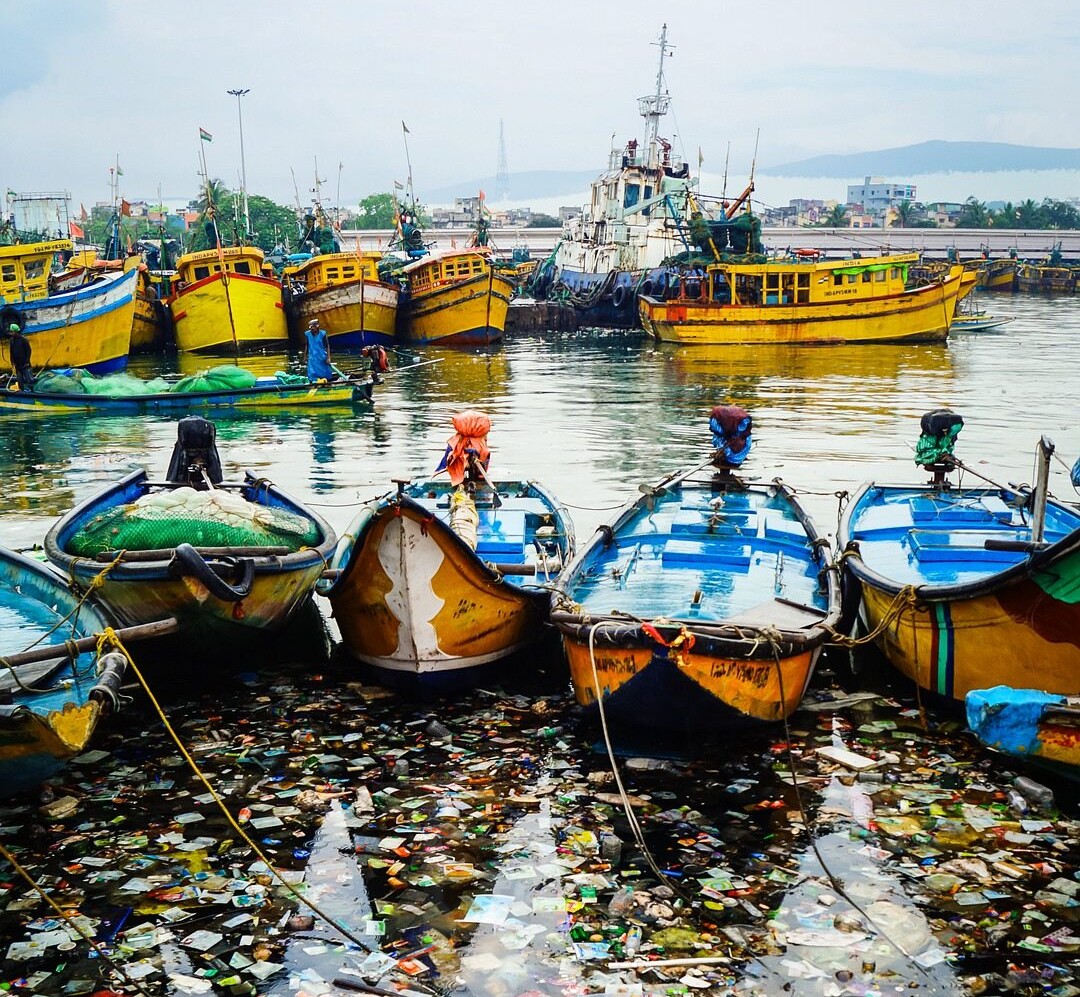
еWАsTER provides joint solutions to an existing problem of the Mediterranean Sea, which requires a common approach!
- Drafting of Local Action Plans (LAPs) for Mediterranean e-waste prevention and management
- Joint testing of solutions for e-waste prevention and management in MED
- Deployment of solutions for Transnational e-waste prevention and management
Testing innovative solutions
There are 3 pre-identified innovative solutions which will be tested:
- OWEEE PROCURE: promotes new eco-innovative business models based on the eco-renting of EEE, in cooperation between the demand side and the offer side, which allows the creation of a new eco-business
- WEEE BEHAVE: eeks to increase the amount of e-waste collected and delivered to new businesses, assuring a constant source of material, and a long-term sustainability
- WEEE RE-USE: promotes the creation of new business models for reuse of plastic and providing second life to e-waste, with a focus on creating jobs for vulnerable individuals
PROJECT TARGET GROUPS
- Local public authority: The role of local governments in waste management activities and responsibility varies between Mediterranean countries, but most of them have different assigned responsibilities.
- Regional public authority: In some of the Mediterranean countries, one government authority (ministry, department, agency, etc.) is responsible at regional level for all environmental policies, including the management of waste and e-waste.
- NGOs, groups of citizens or interested groups: In many MED areas, especially in rural areas, peripheral areas, islands, or those countries where the e-waste management policies have not been fully developed, many initiatives for waste prevention have been launched by them.
- SME’s and general public: Similarly to the general public, SMEs will be the main final beneficiaries of the project results
The unification of waste management criteria in the transnational MED area is essential, since otherwise it could facilitate the dynamization of the illegal movement of e-waste from areas with stricter regulations towards areas with more permissive regulations.
EXPECTED PROJECT RESULTS
- Partners and involved stakeholder organisations will increase their institutional capacity for e-waste management, eco-business promotion, and circular economy business promotion.
- Joint strategies and action plans taken up: The LAPs will be endorsed and signed by the corresponding public authority with capacity to implement them and the tested solutions they include, together with the project partners, technical partners and associated partners which will contribute to the Action Plan’s implementation.
- Preparation of a transfer package: eWAsTER will identify strategic geographical areas, sectors, and stakeholders for solution transfer or upscaling, compiling best practices and evidence that can assist in outlining practical procedures and a potential future transfer project.
EWAsTER doesn’t present
e-waste as a source of environmental damage, but an opportunity to create INNOVATIVE SUSTAINABLE ECONOMY through the valorisation of this waste.