
From Local Action to European Impact I RETHYMNO I 21-22.04.2026
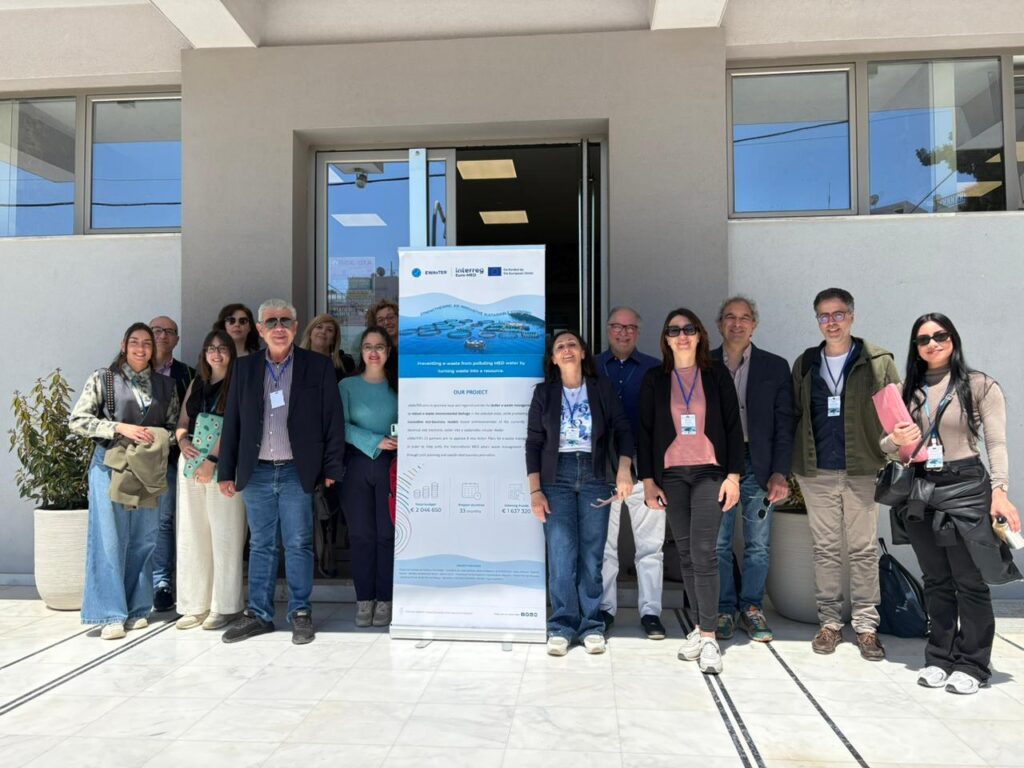
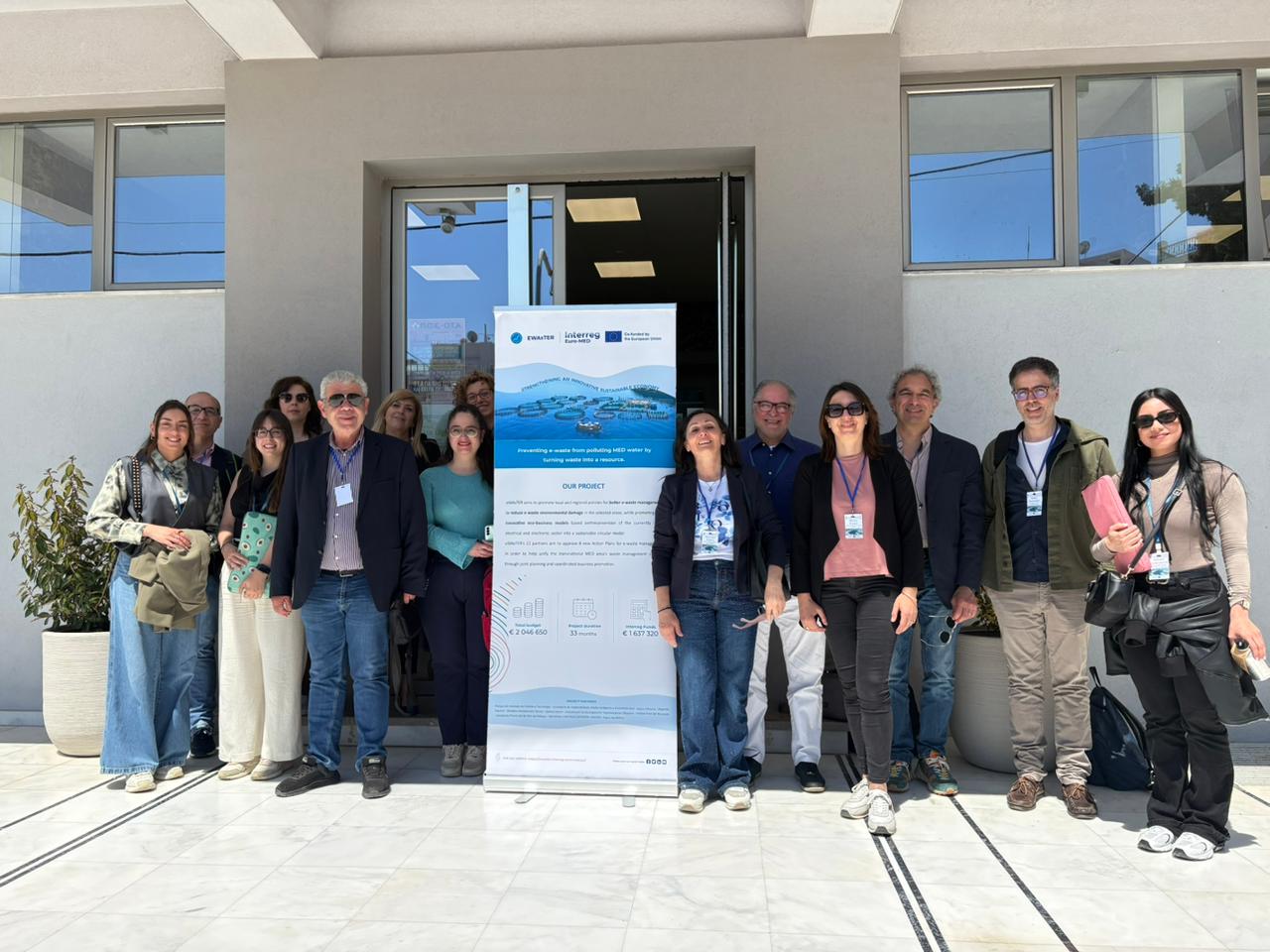
The 5th Validation Workshop of the EWAsTER project was successfully held on 21–22 April 2026 in the Municipality of Rethymno, Crete, bringing together project partners, local authorities, institutional stakeholders, and experts working in the field of waste electrical and electronic equipment (WEEE) management and circular economy transition.
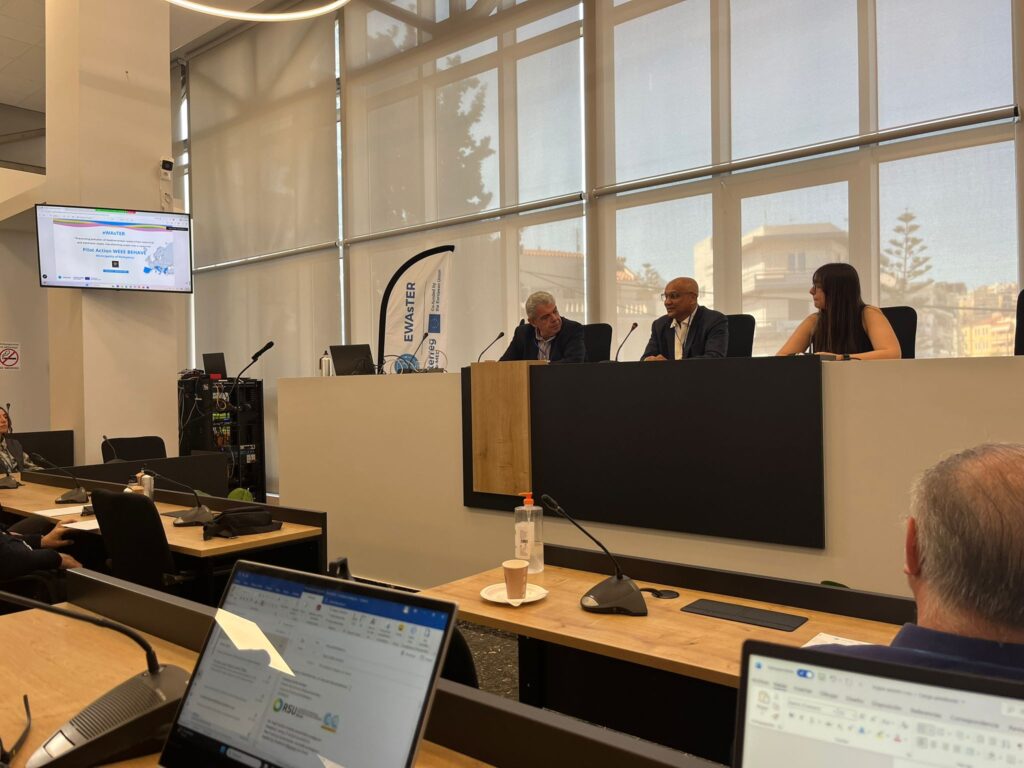
The hybrid event began on 21 April with an official welcome from the Vice Mayor of Rethymno, Mr. Stelios Spanoudakis, alongside the Executive President of PACT, the lead partner of the project, Mr. Soumodip Sarkar. Both emphasized the importance of continued European cooperation in addressing the growing challenges of electronic waste and strengthening local and regional capacity for sustainable waste management practices.
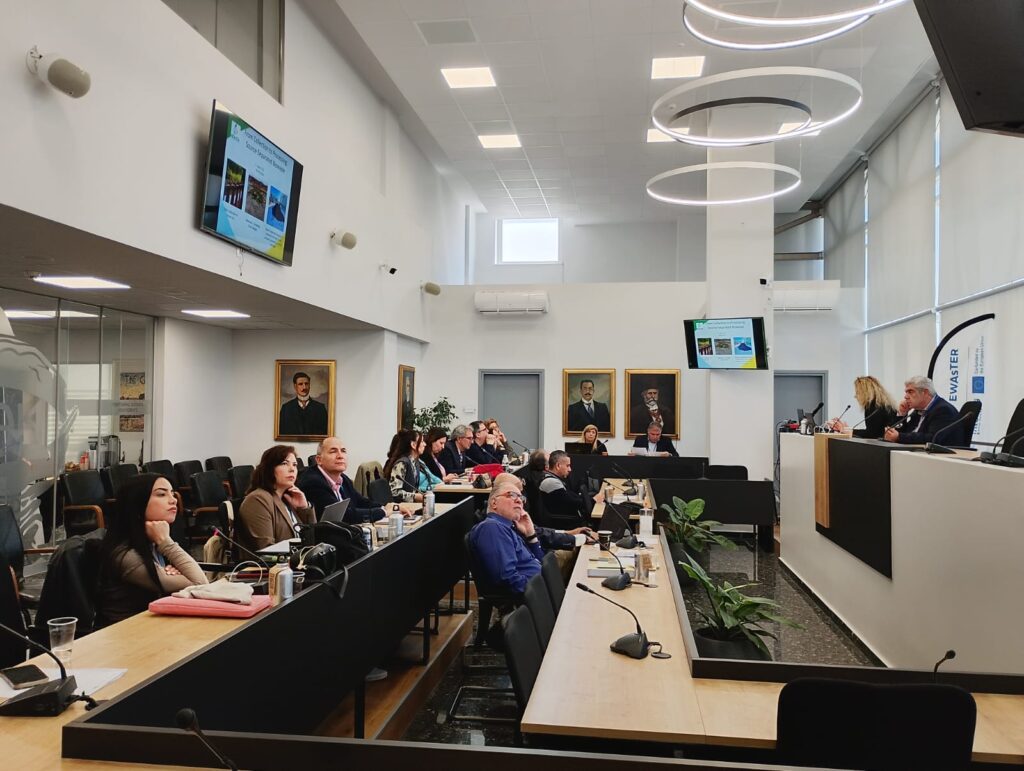
Following the opening remarks, the Municipality of Rethymno presented the main results of the project at local level, highlighting the concrete impact of EWAsTER activities in the region. Particular attention was given to the implementation of the WEEE Behave pilot actions, which demonstrated innovative approaches to citizen engagement and responsible electronic waste disposal. The presentation also outlined the progress of the Local Action Plan, developed to ensure the long-term sustainability of project outcomes beyond its lifetime.
A particularly meaningful contribution came from the educational sector, where Mrs. Mpatsolaki, representing the 1st Primary School of Rethymno, shared the experience of school participation in the project. The school, recognized as the winner of the EWAsTER Collection Competition, showcased how environmental awareness activities can successfully engage young students and encourage responsible behavior from an early age.
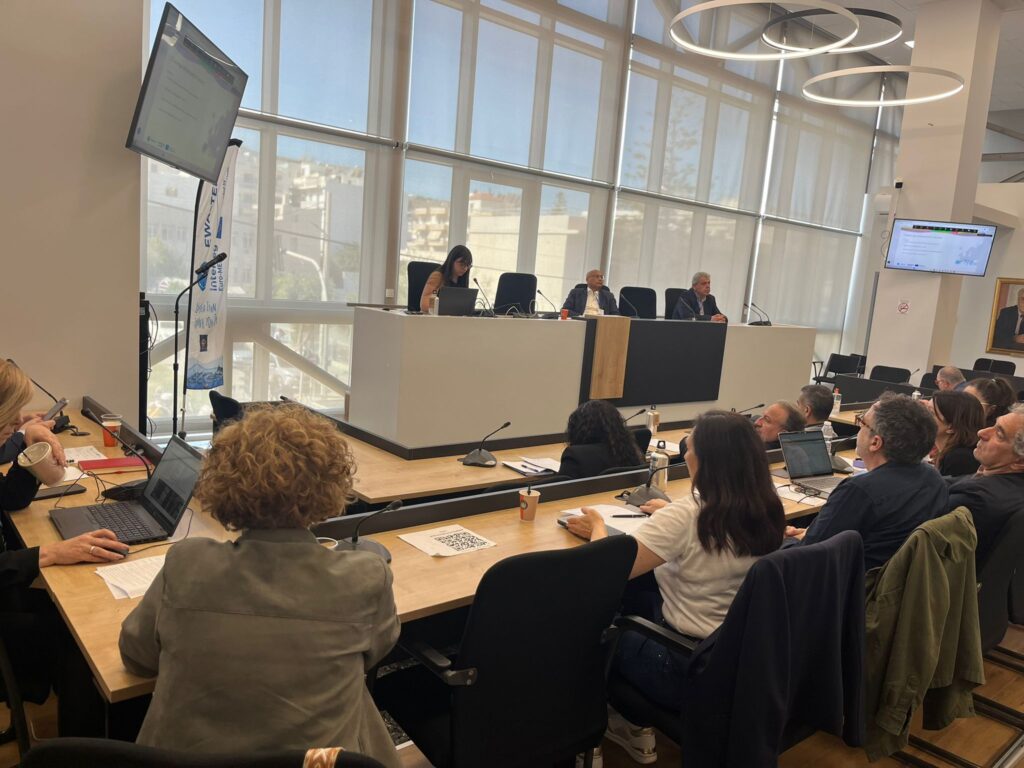
The agenda continued with Work Package 2 presentations, where each Work Package leader provided a 20-minute overview of pilot activities, implementation processes, and key outcomes. These presentations allowed partners to exchange experiences, compare methodologies, and reflect on the effectiveness of different pilot approaches across participating regions.
In addition, a representative of the Solid Waste Management Center of the Regional Unit of Chania (DEDISA) presented regional practices and ongoing initiatives in waste management, reinforcing the importance of cooperation between local authorities and technical bodies in achieving environmental targets.
A brief discussion followed on Work Package 3 deliverables, focusing on progress, remaining tasks, and coordination between partners to ensure timely completion and high-quality outputs.
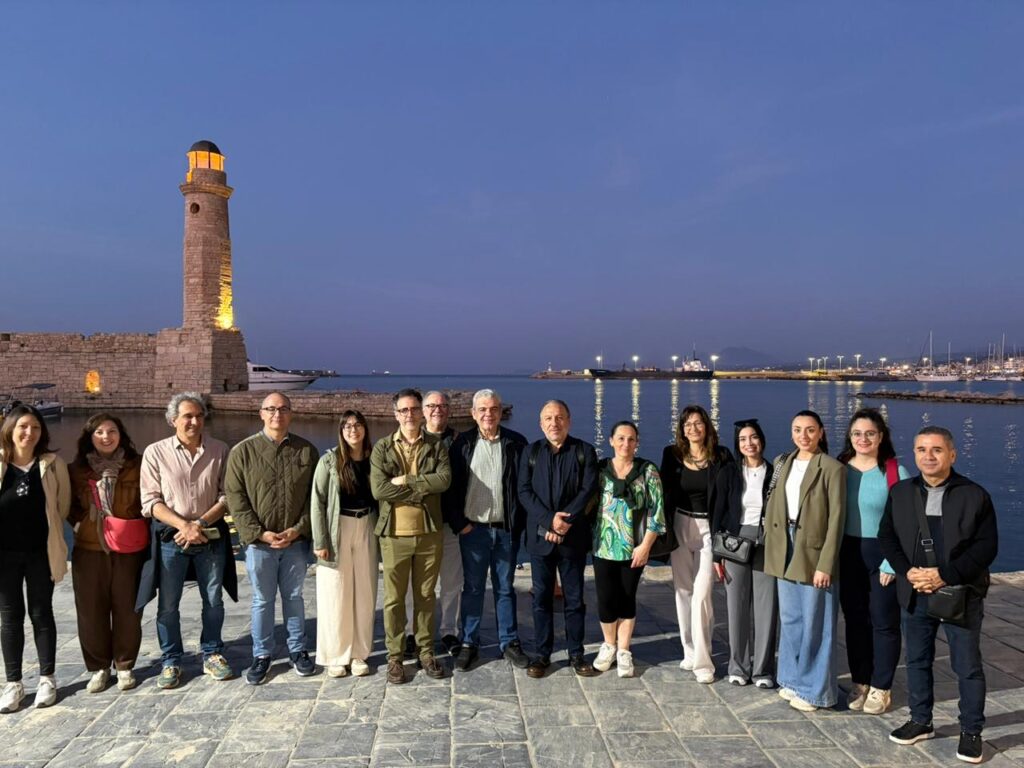
The first day concluded with a guided visit to the Old Town of Rethymno, offering participants the opportunity to explore one of Crete’s most historic and culturally rich areas, blending Venetian and Ottoman architectural heritage with a vibrant modern identity.
On 22 April 2026, the workshop continued with a Steering Committee meeting, where project partners reviewed key conclusions from the previous day, assessed overall progress, and discussed strategic directions for the final phase of implementation. The meeting helped consolidate shared understanding and strengthen coordination among consortium members.
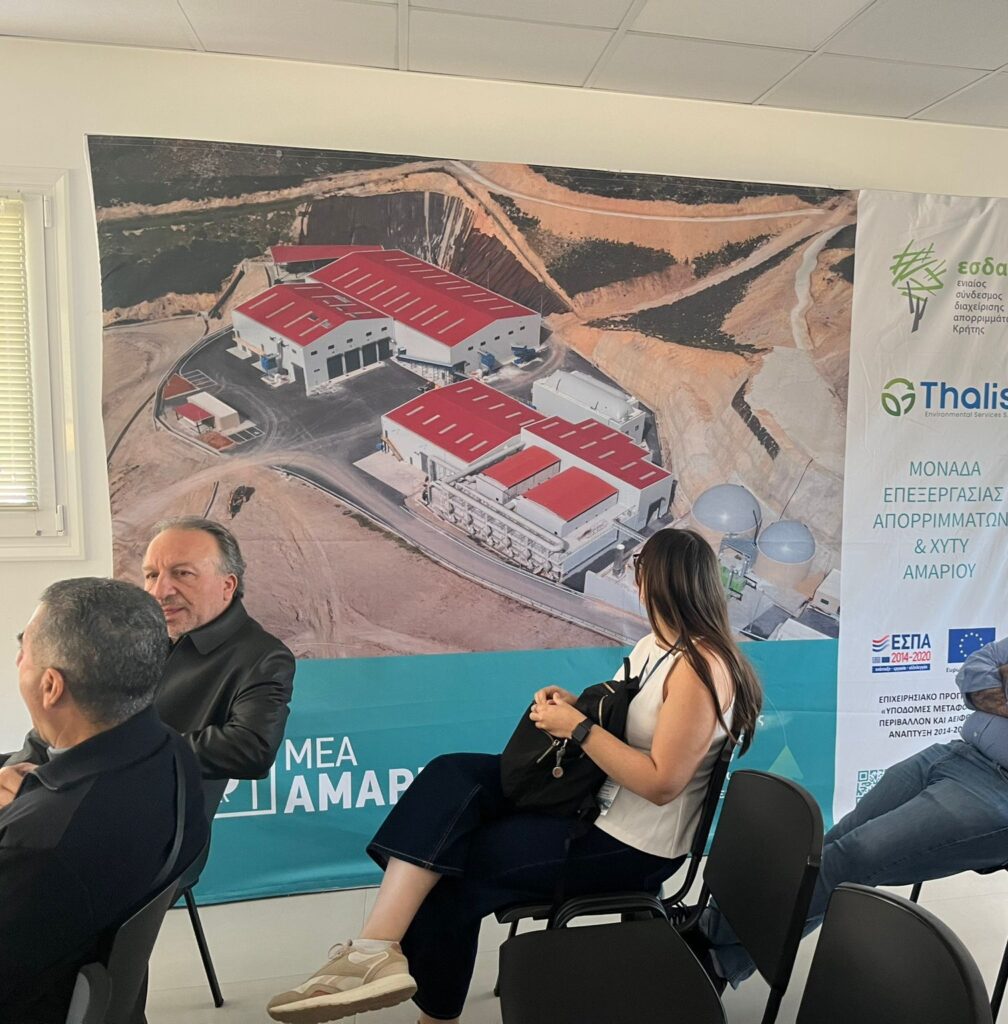
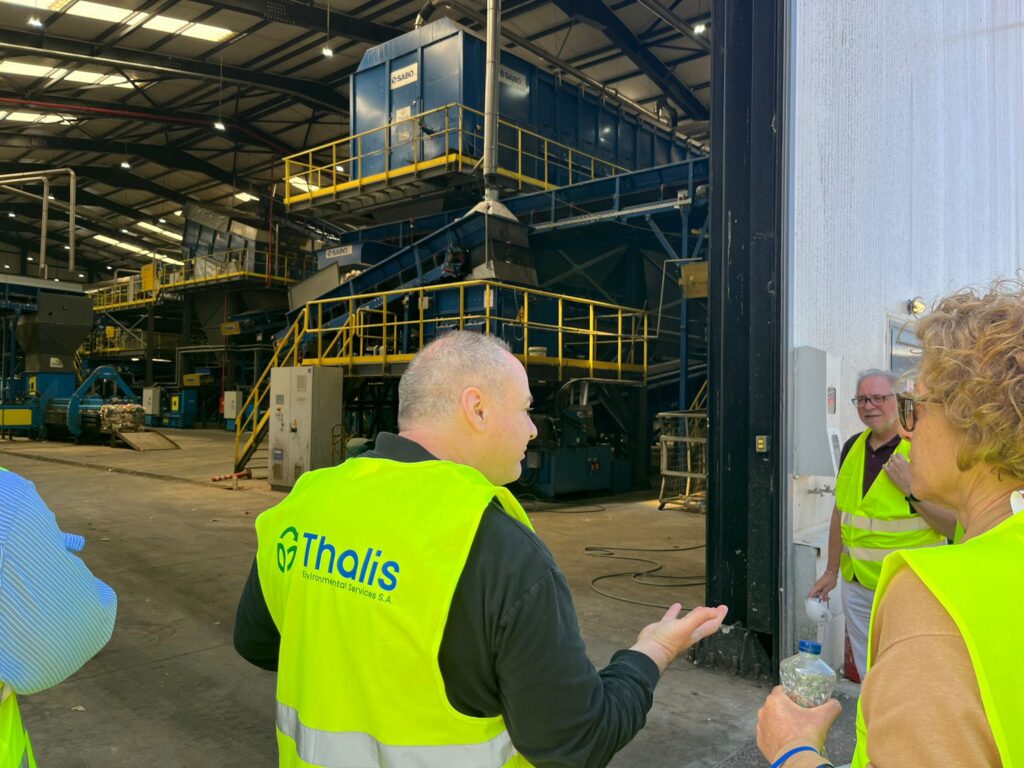
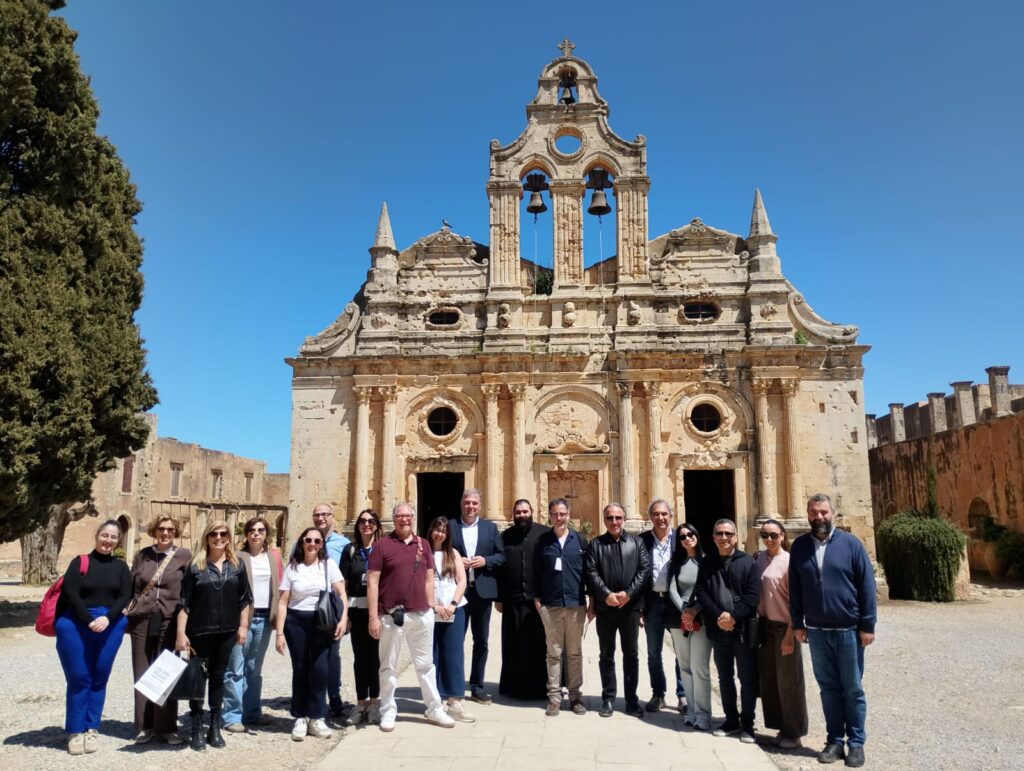
The final part of the programme included a study visit to the Amari region, starting with the Waste Collection Center of Amari (MEA), where participants gained first-hand insight into local waste collection systems and operational practices. The visit continued to the iconic Arkadi Monastery, a UNESCO-recognized heritage site, symbolizing historical resilience and cultural identity, and providing a meaningful closing to the workshop experience.
Overall, the 5th Validation Workshop represented an important milestone for the EWAsTER project, reinforcing collaboration between European partners, showcasing tangible local results, and supporting the ongoing development of sustainable solutions for electronic waste management in line with circular economy principles.