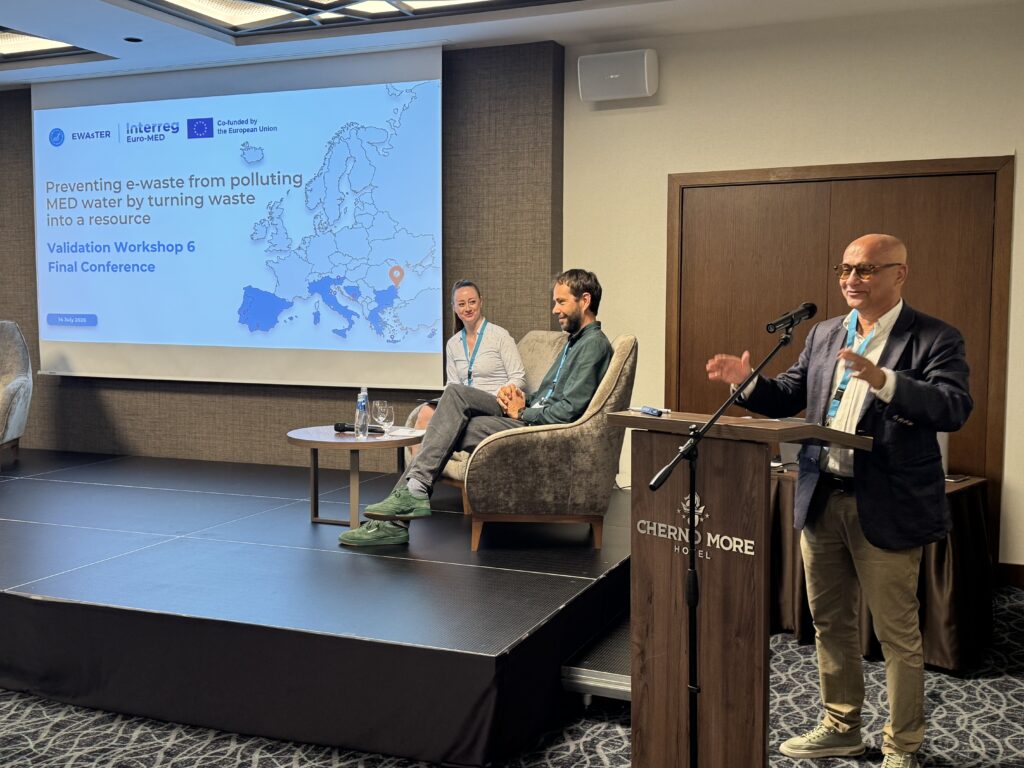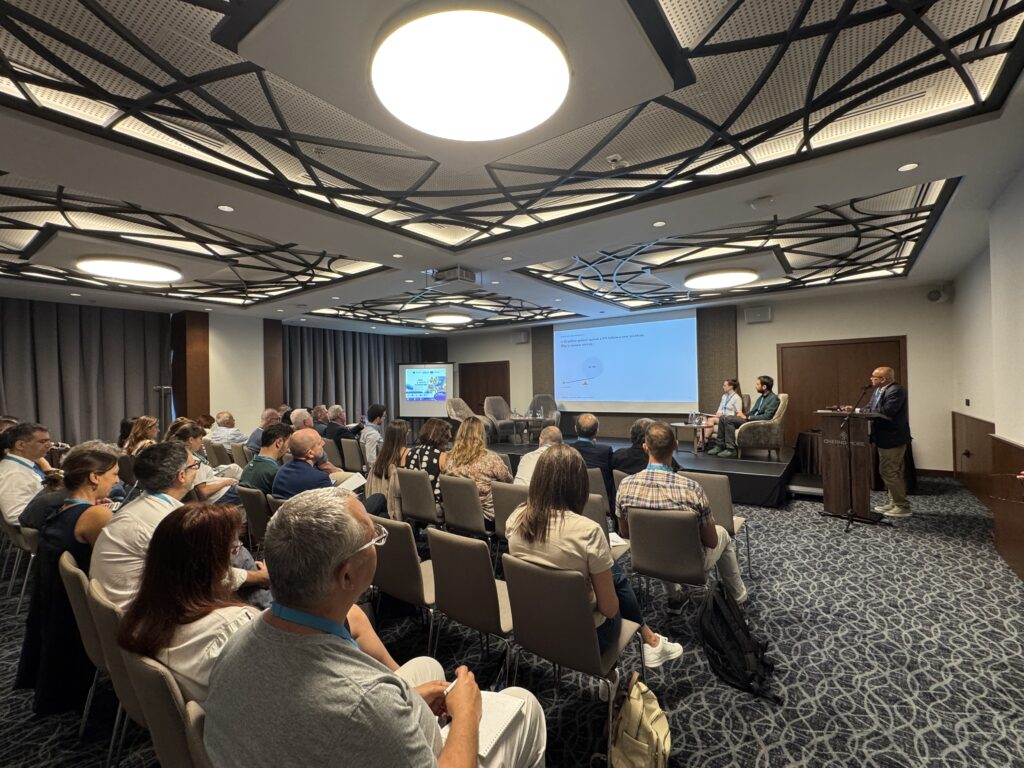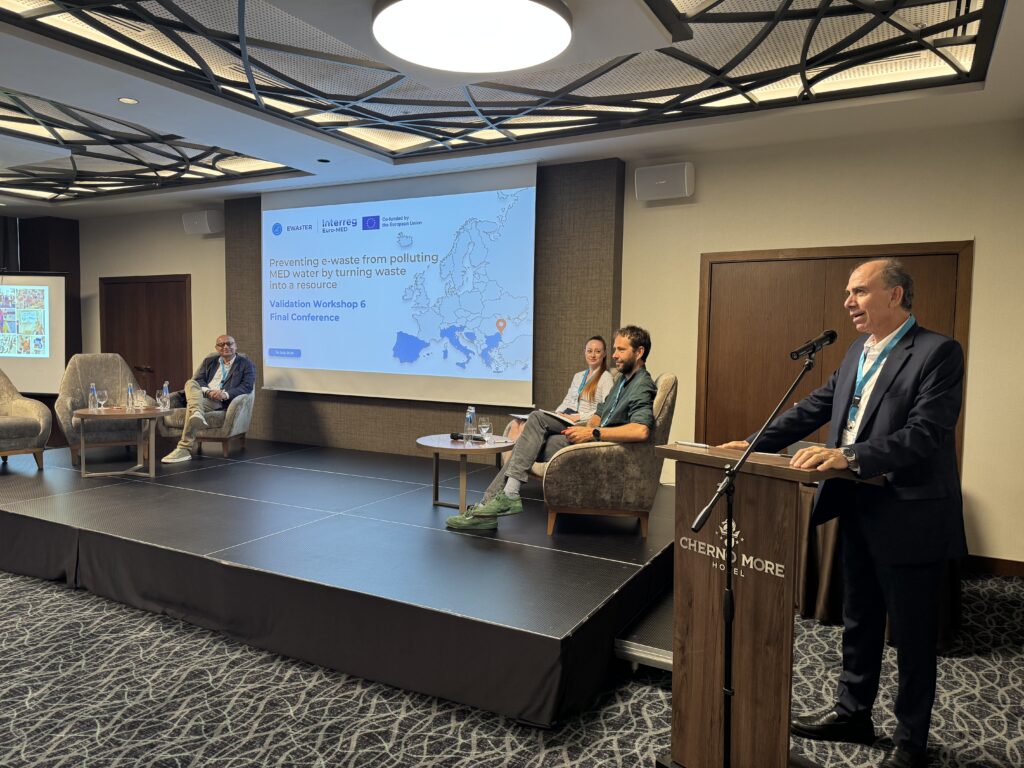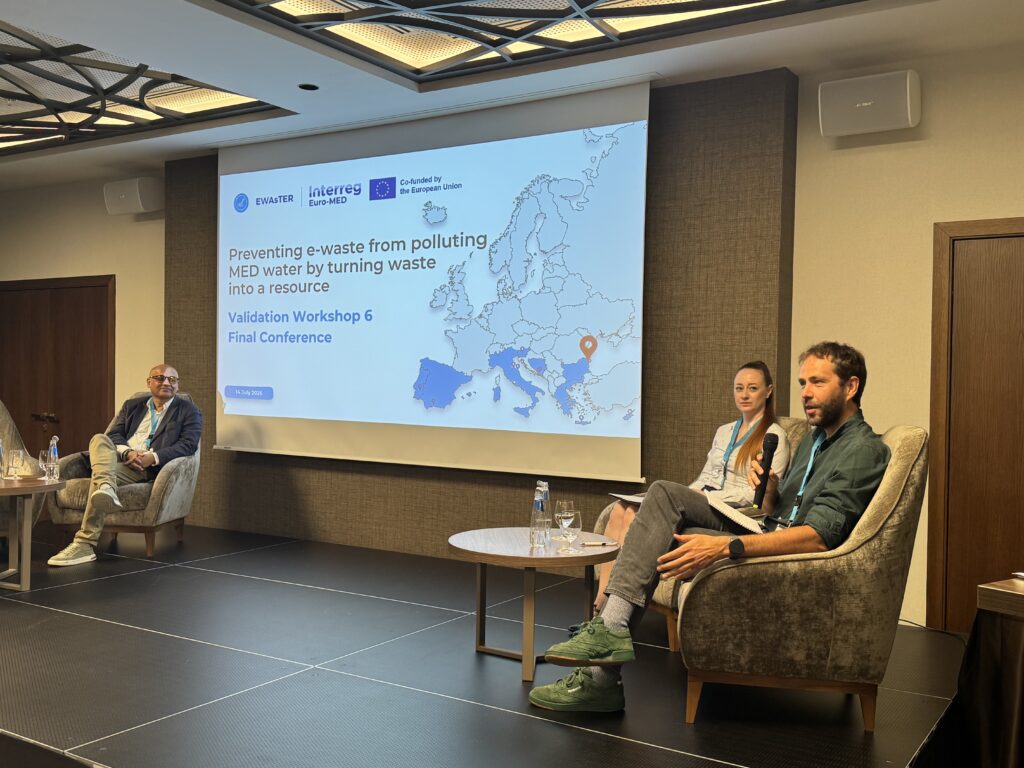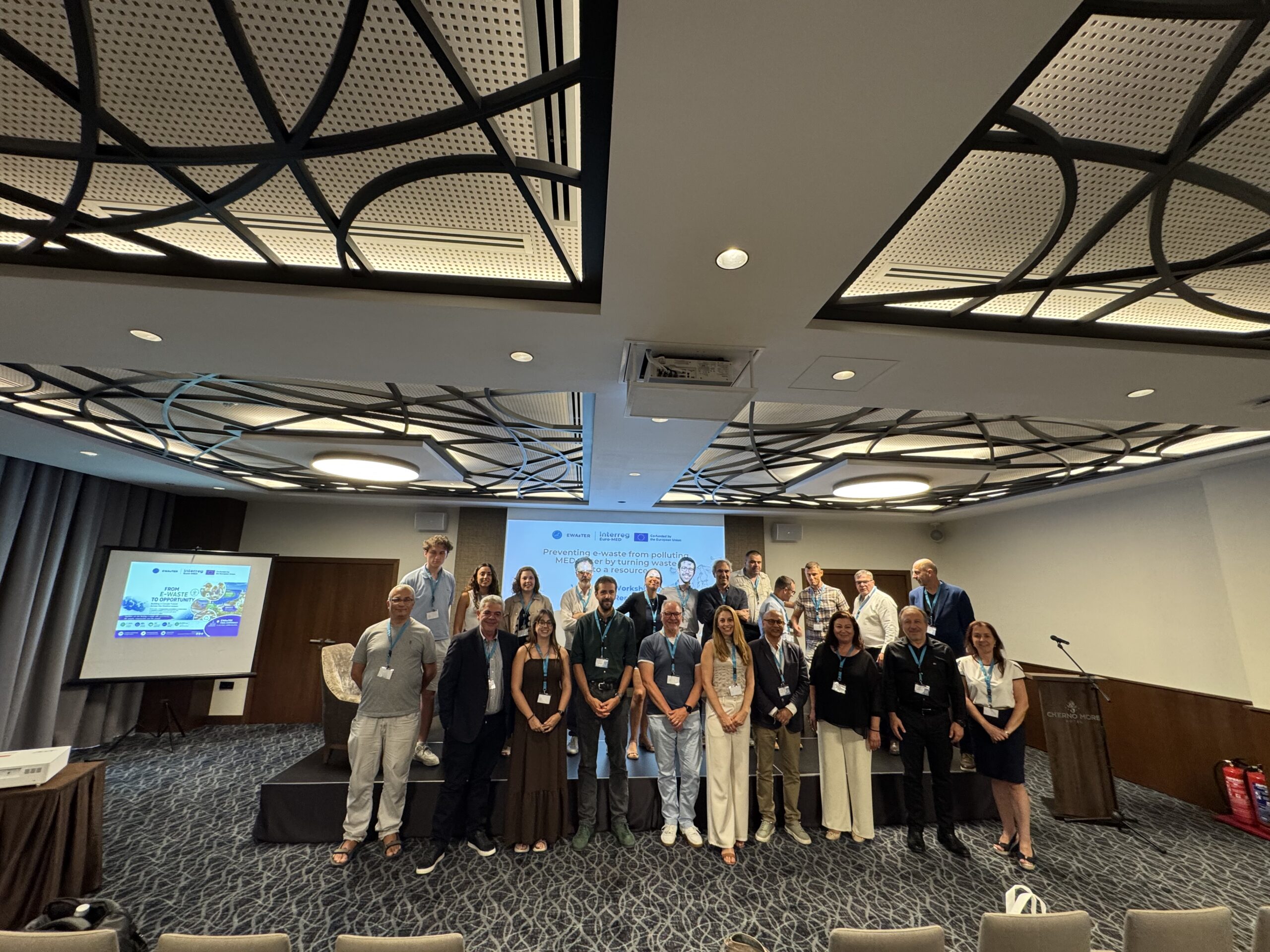

After three years of cooperation across eight countries, the Interreg Euro-MED eWAsTER project concludes with concrete solutions, measurable impact and a shared commitment to preventing electronic waste pollution in the Mediterranean region.
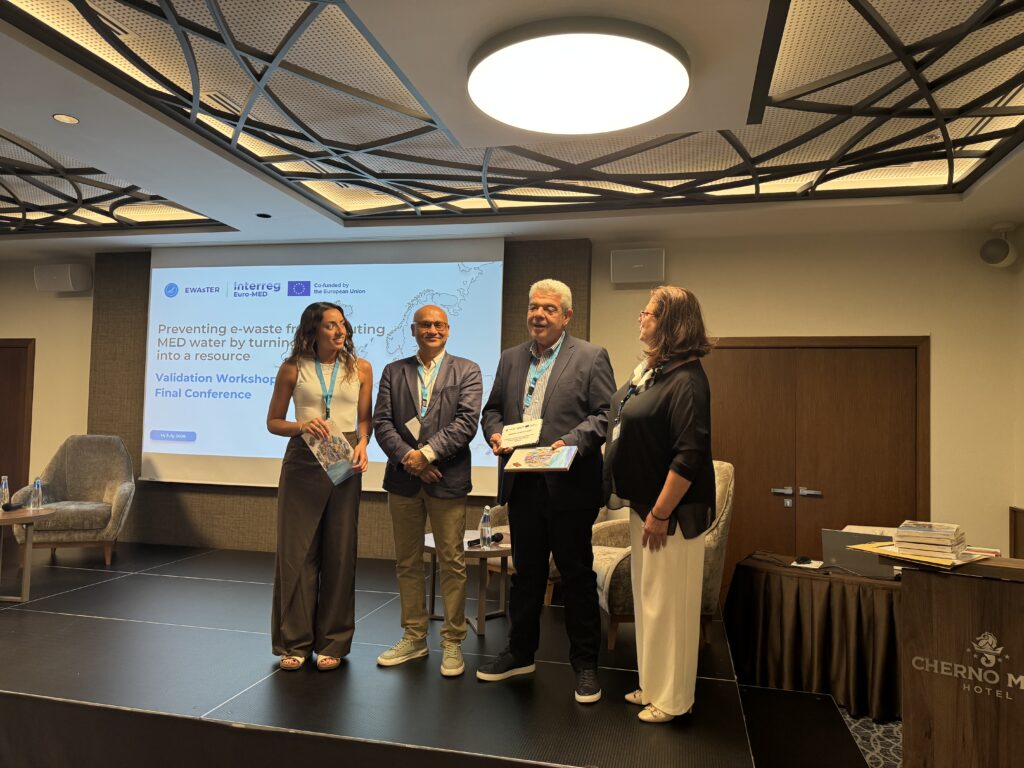
The conference was officially opened with inspiring welcome addresses from representatives of the host organisation UBBSLA, the project Lead Partner PACT – Alentejo Science and Technology Park (Portugal), the Varna Municipality, and Mr. Guillaume Javourez, Project Officer from the Joint Secretariat of the Interreg Euro-MED Programme. Speakers highlighted the importance of local leadership, cross-border cooperation and joint European action in addressing one of today’s most pressing environmental challenges.
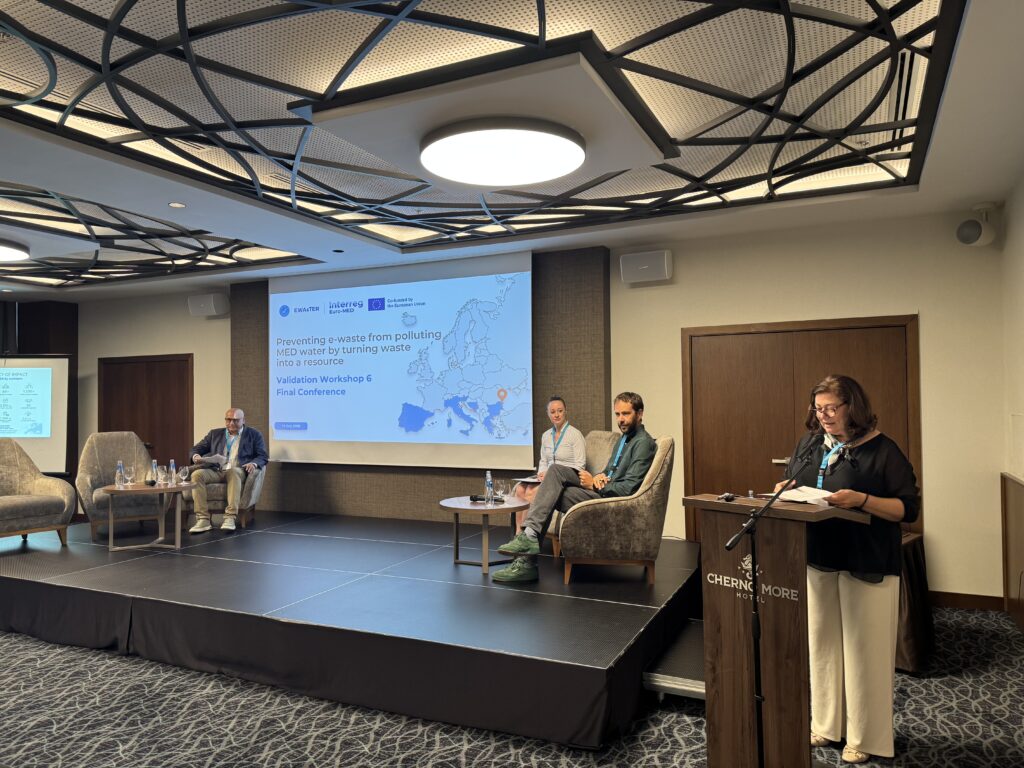
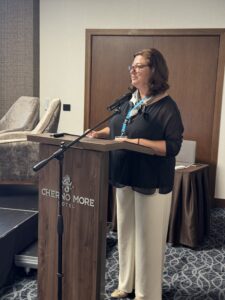 The CEO of UBBSLA, Mrs. Mariyana Ivanova, underlined the strong connection between Varna and the sea, emphasizing the responsibility of coastal communities in protecting marine ecosystems: “Varna is a city with a long history, a strong connection to the sea, and a clear vision for the future. As the largest Bulgarian city on the Black Sea coast, we understand that protecting our marine environment is not only a local responsibility — it is a shared European commitment. The challenges faced by our seas and coastal regions do not stop at borders, and neither should our solutions.”
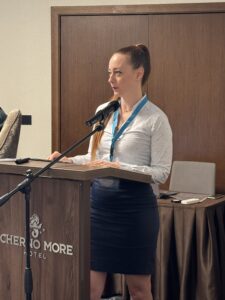 The official opening of the conference was delivered by the Deputy Mayor of Varna Municipality, Mrs. Sofia Koleva, who highlighted the importance of international cooperation and innovative solutions for sustainable urban development: “Projects like eWAsTER demonstrate how European cooperation can be transformed into real actions with measurable results for people and the environment. Varna supports initiatives that encourage innovation, responsible consumption and sustainable resource management. Together, we can create more resilient and environmentally responsible communities.”
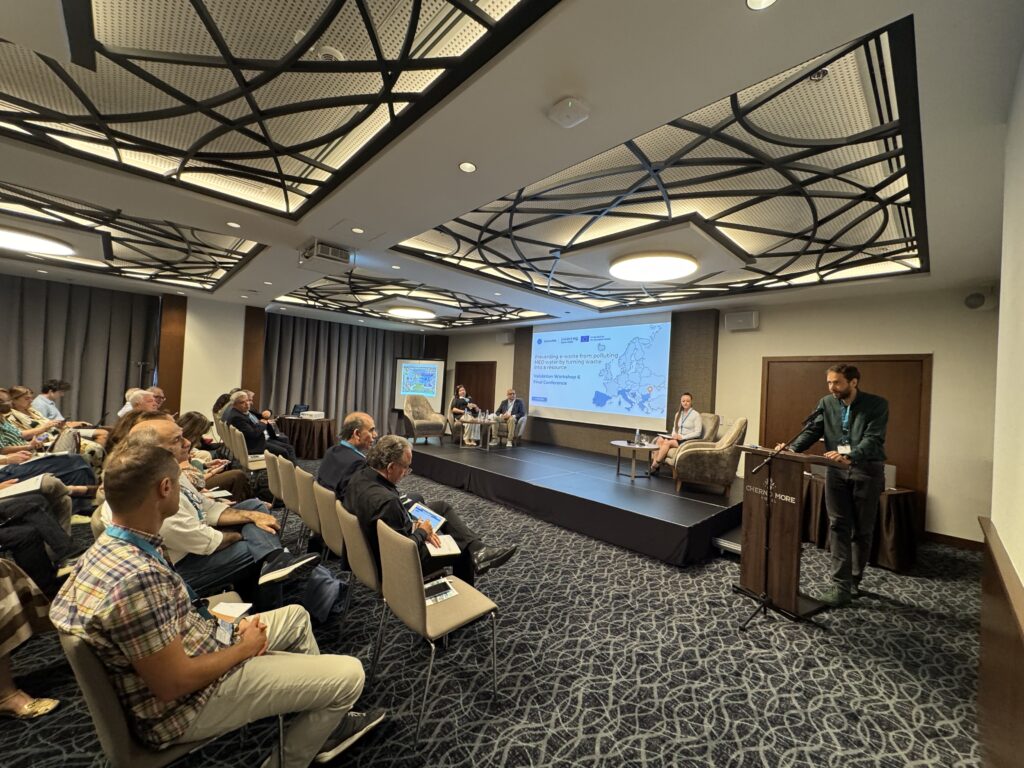
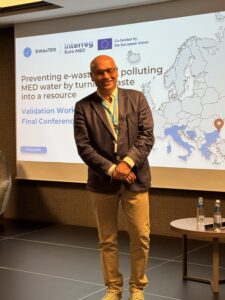 Representing the Lead Partner PACT – Alentejo Science and Technology Park, Prof. Soumodip Sarkar emphasized that the success of eWAsTER was built on the commitment and collaboration of the entire partnership: “The greatest achievement of eWAsTER is not only the tools, methodologies and pilot solutions developed throughout the project. The real success is the creation of a strong international community of organisations and people who share a common responsibility for protecting our environment and are committed to building a more sustainable future.”
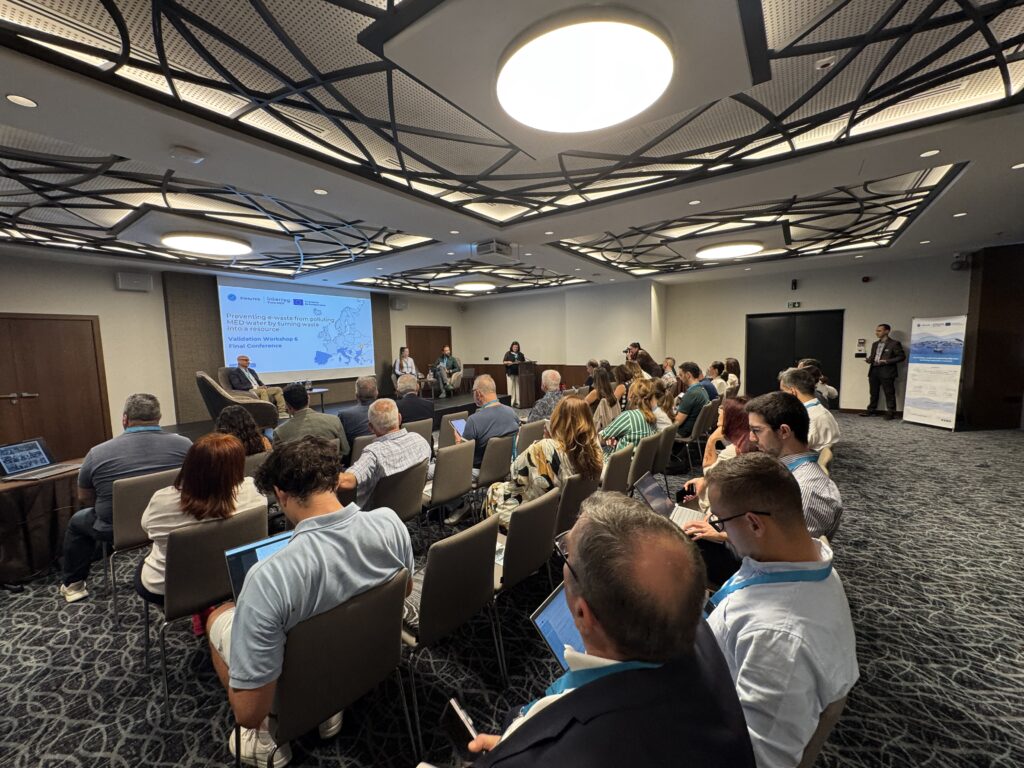
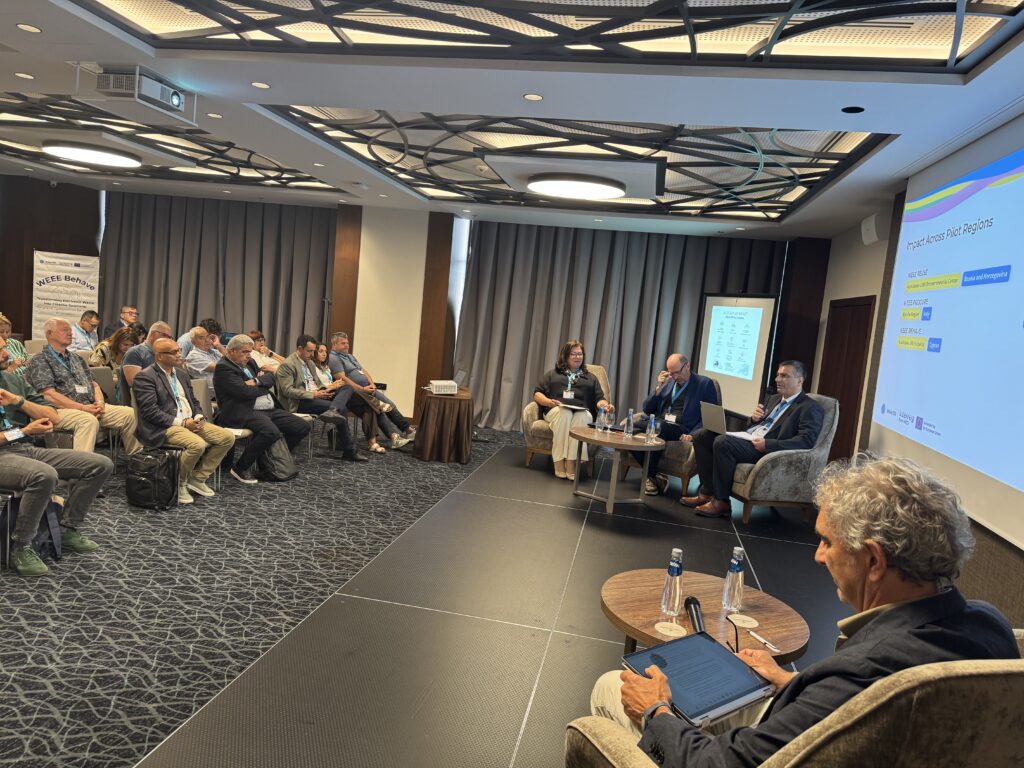
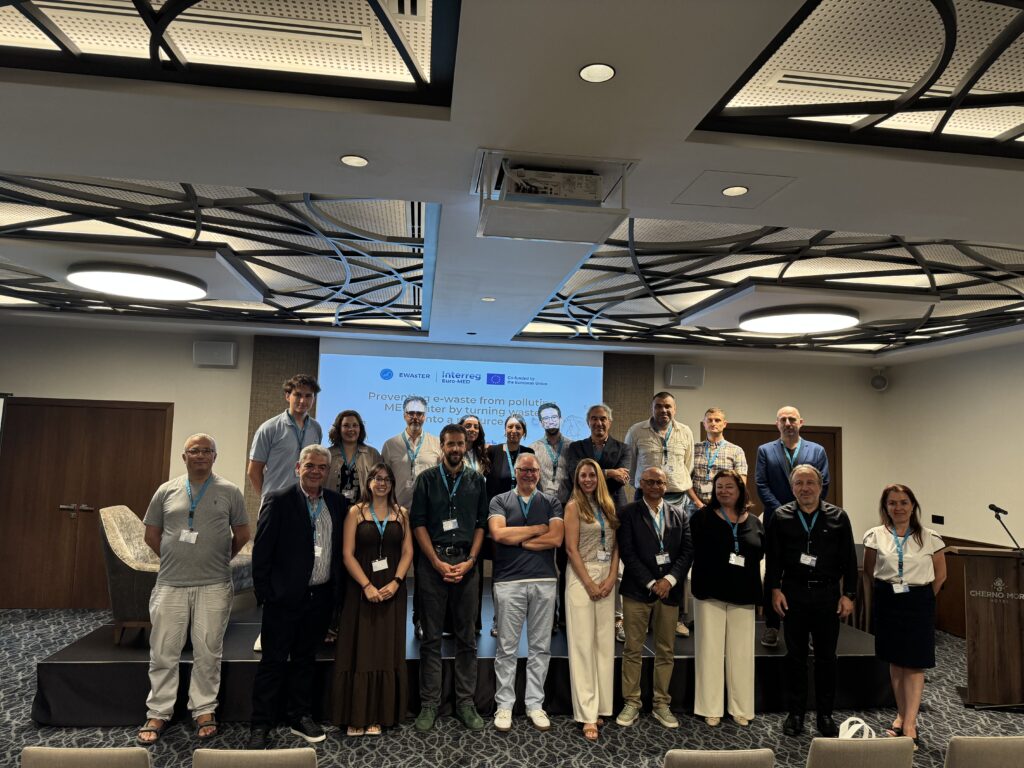
The final conference gathered representatives of the entire international consortium, including organisations from Portugal, Greece, Italy, Slovenia, Spain, Bosnia and Herzegovina, Cyprus and Bulgaria.
The event also welcomed representatives of Bulgarian Black Sea municipalities and institutions, including Varna, Dolni Chiflik and Dalgopol municipalities, the Ministry of Labour and Social Policy, the Regional Information Centre – Varna, the Varna Chamber of Commerce and Industry, EcoCluster Bulgaria, the Public Environmental Center for Sustainable Development, educational organisations and many other stakeholders committed to advancing circular economy solutions.
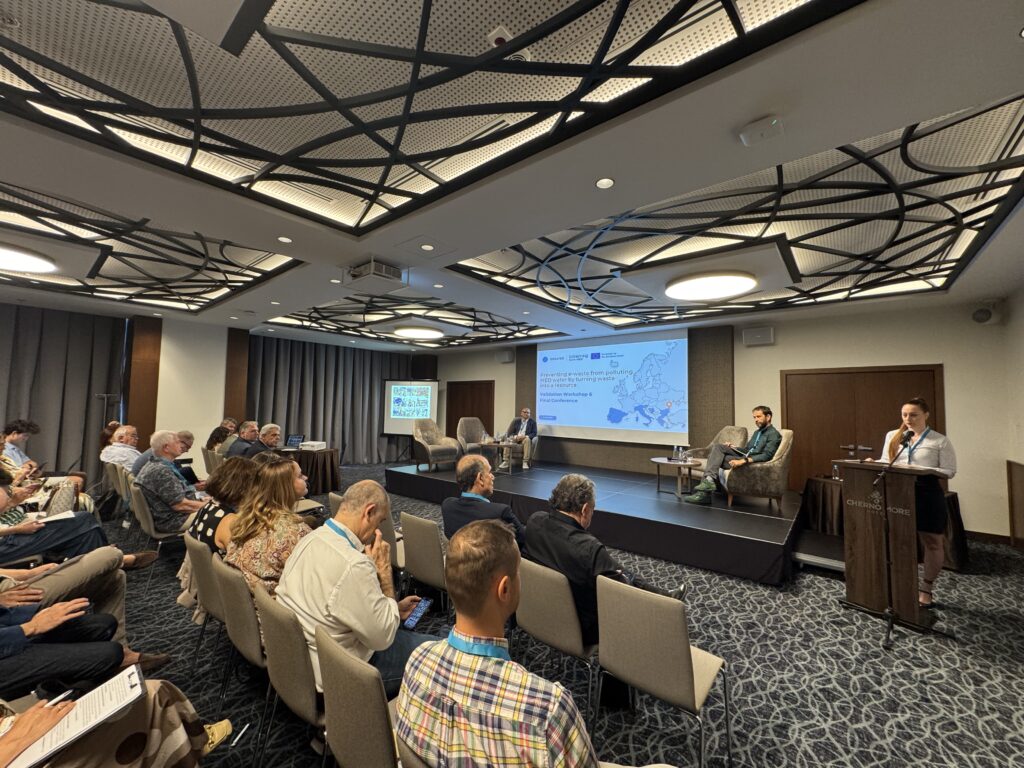
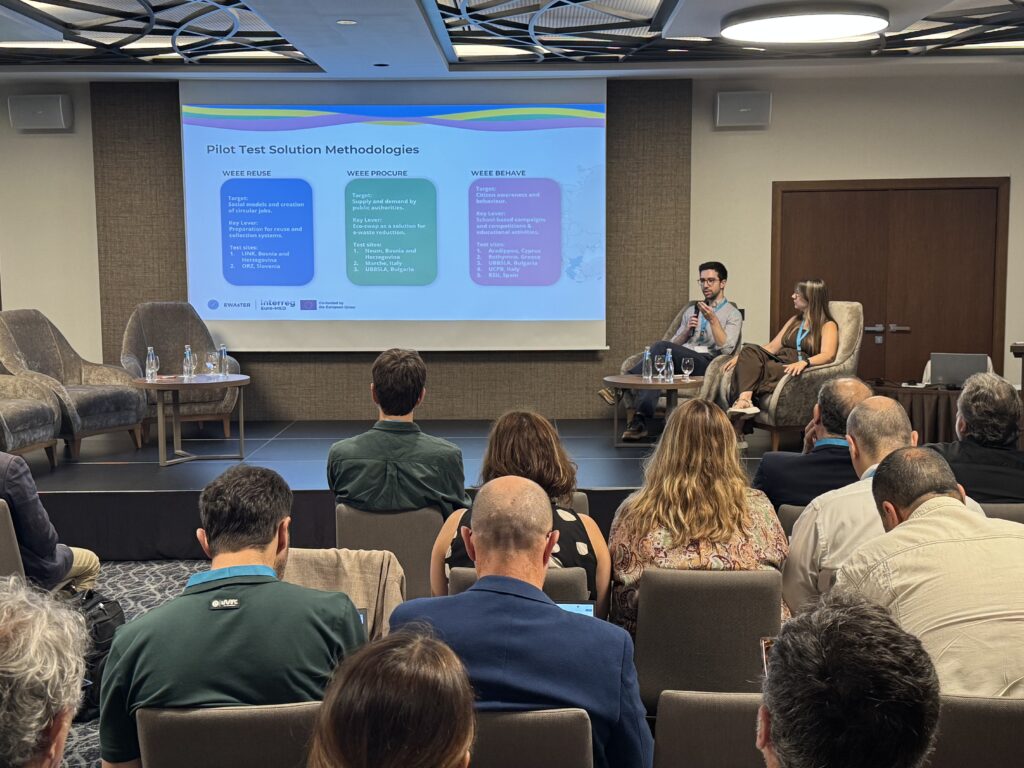
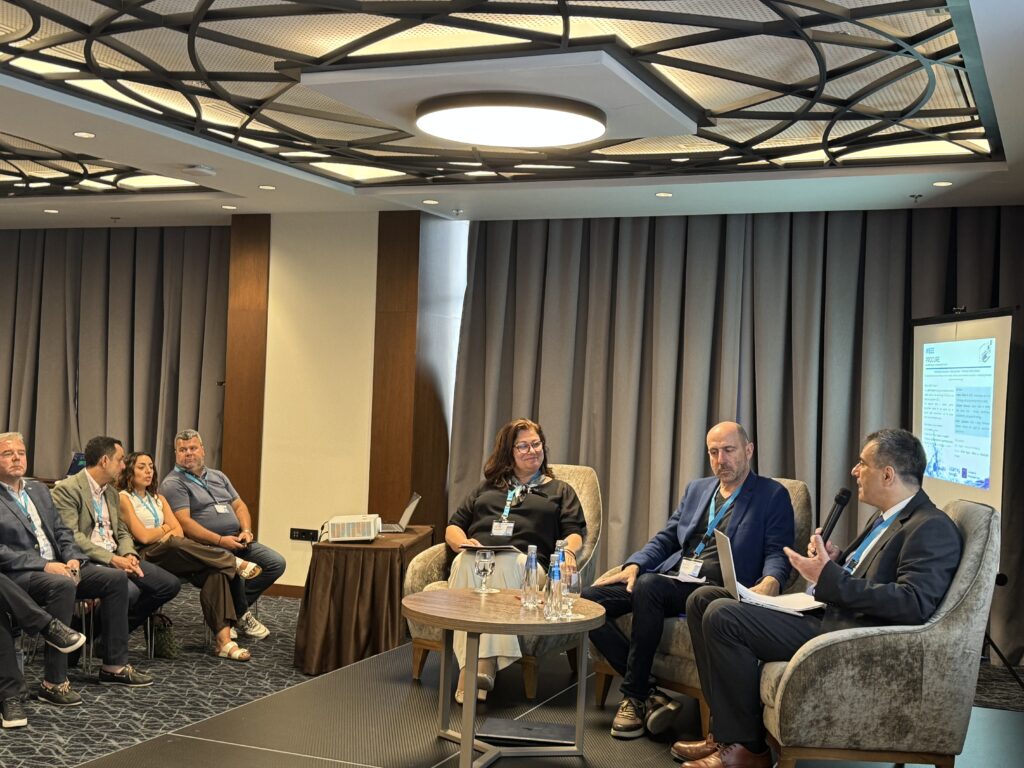
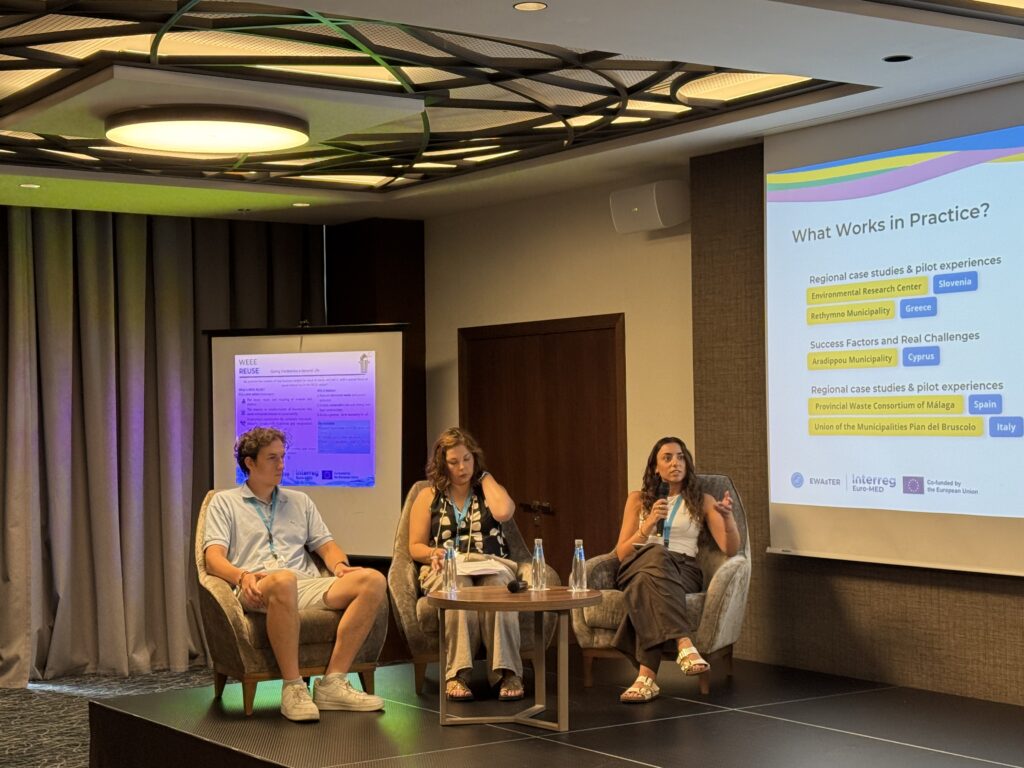
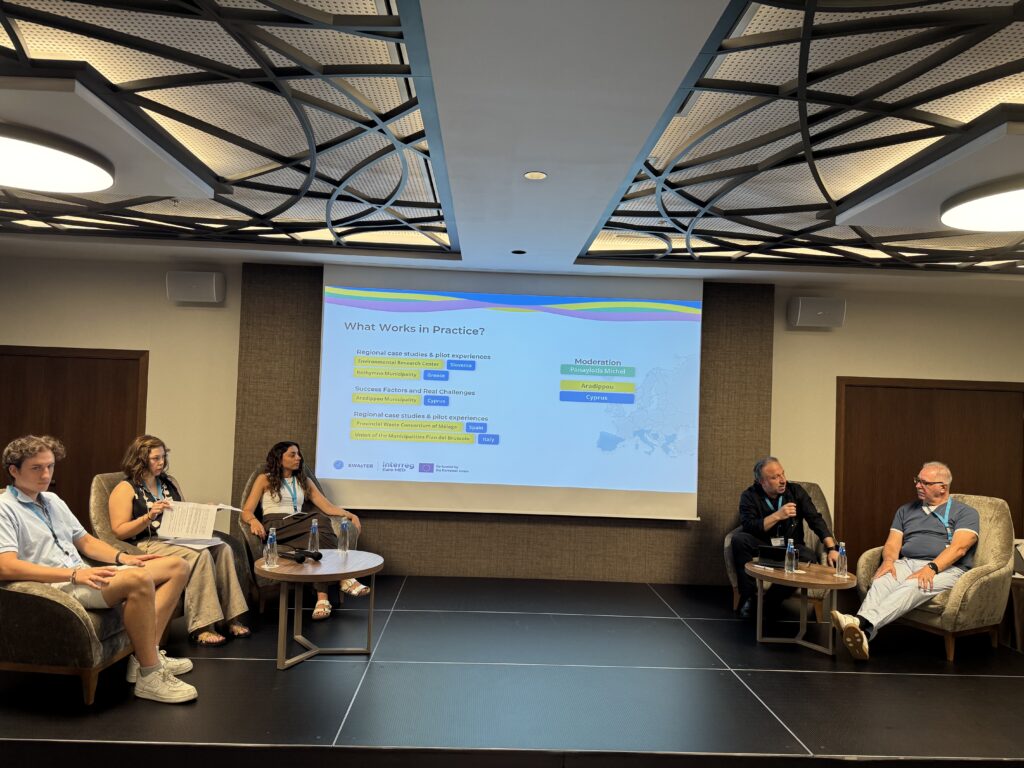
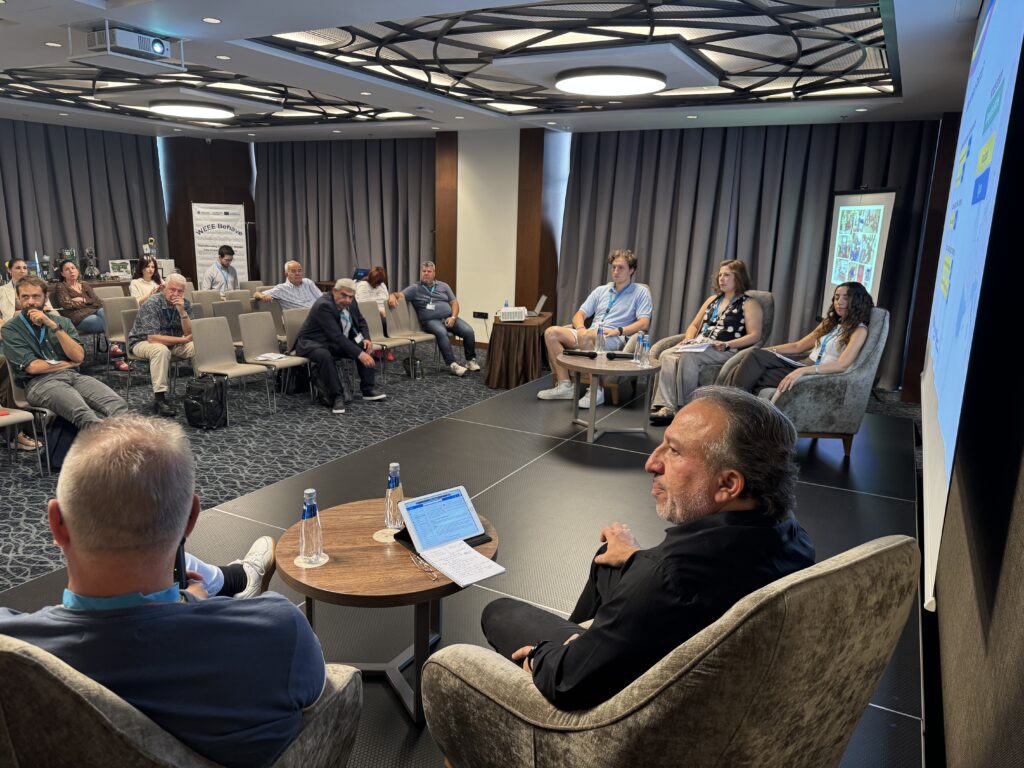
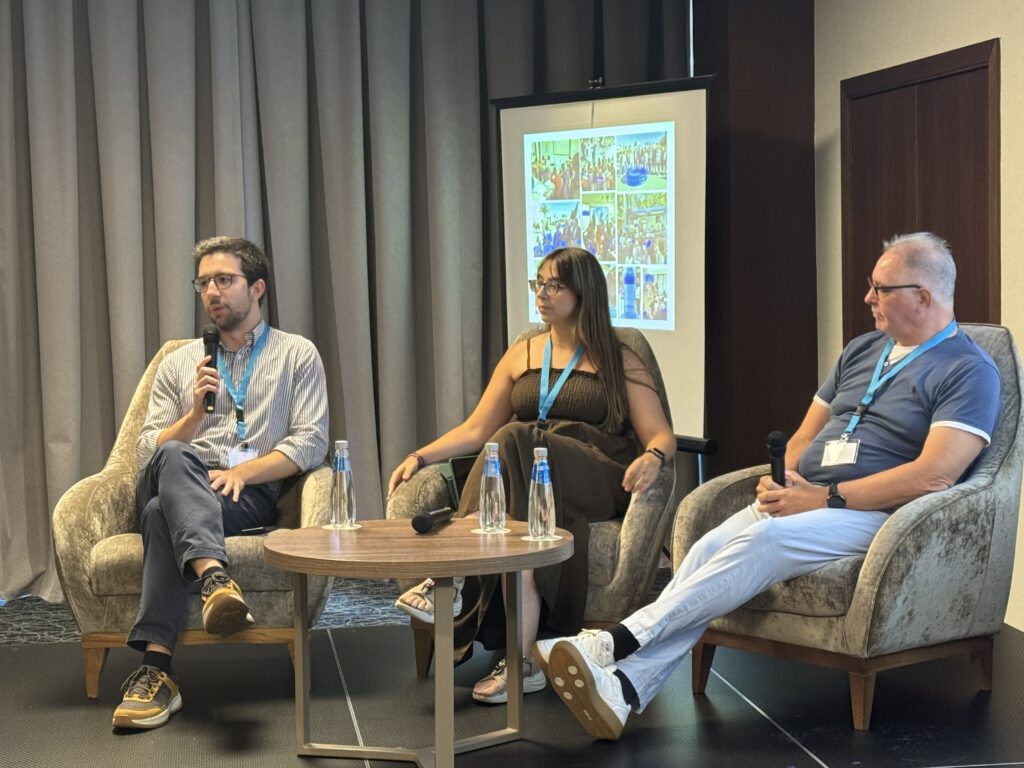
Throughout the moderated sessions, partners shared the key achievements and lasting impact of eWAsTER, demonstrating how education, innovation and stakeholder cooperation can contribute to reducing e-waste pollution and protecting marine environments.
The conference presented the impressive results of the project. More than 3.000+ students, over 190+ teachers and dozens of schools, 1.200 family members and 20 businesses have been involved in initiatives for responsible consumption and proper management of e-waste in eight countries. From engaging schools and local communities to supporting public authorities, businesses and decision-makers, eWAsTER has shown that preventing e-waste from polluting Mediterranean waters requires collective action, innovative thinking and strong partnerships.
Thanks to the pilot activities, new approaches were developed and tested for:
- prevention of e-waste;
- reuse and extension of the life of electronic devices;
- sustainable public procurement;
- development of local policies for a circular economy;
- active involvement of young people as drivers of change.
The results showed that when citizens, schools, businesses and local authorities work together, real environmental and social benefits can be achieved – from reducing waste and carbon emissions to creating new opportunities for green jobs and social innovation.
A legacy beyond the project lifetime
Although the eWAsTER project is officially coming to an end, its impact is yet to unfold. The developed tools, policy recommendations, training resources and models for the transfer of good practices will continue to be used by municipalities, institutions and organisations across the Mediterranean and Black Sea region. The final partnership meeting in Varna gave all participants the opportunity to outline the next steps for the development of the established network and future joint initiatives in the field of circular economy, sustainable resource management and eco-innovation.
Because the most valuable result of eWAsTER is not only the statistics, the developed tools or the pilot activities. The greatest achievement is the proof that when Europe works together, sustainable solutions are possible. From classrooms to municipalities, from repair centres to innovation networks, eWAsTER has shown that every device has a story — and that every discarded device can become part of a more sustainable future.
eWAsTER’s message is clear: the future of electronic waste is not disposal — it is reuse, recovery and resource.