
From local action to lasting change: Málaga advances circular waste management
Málaga, Spain – June 2026
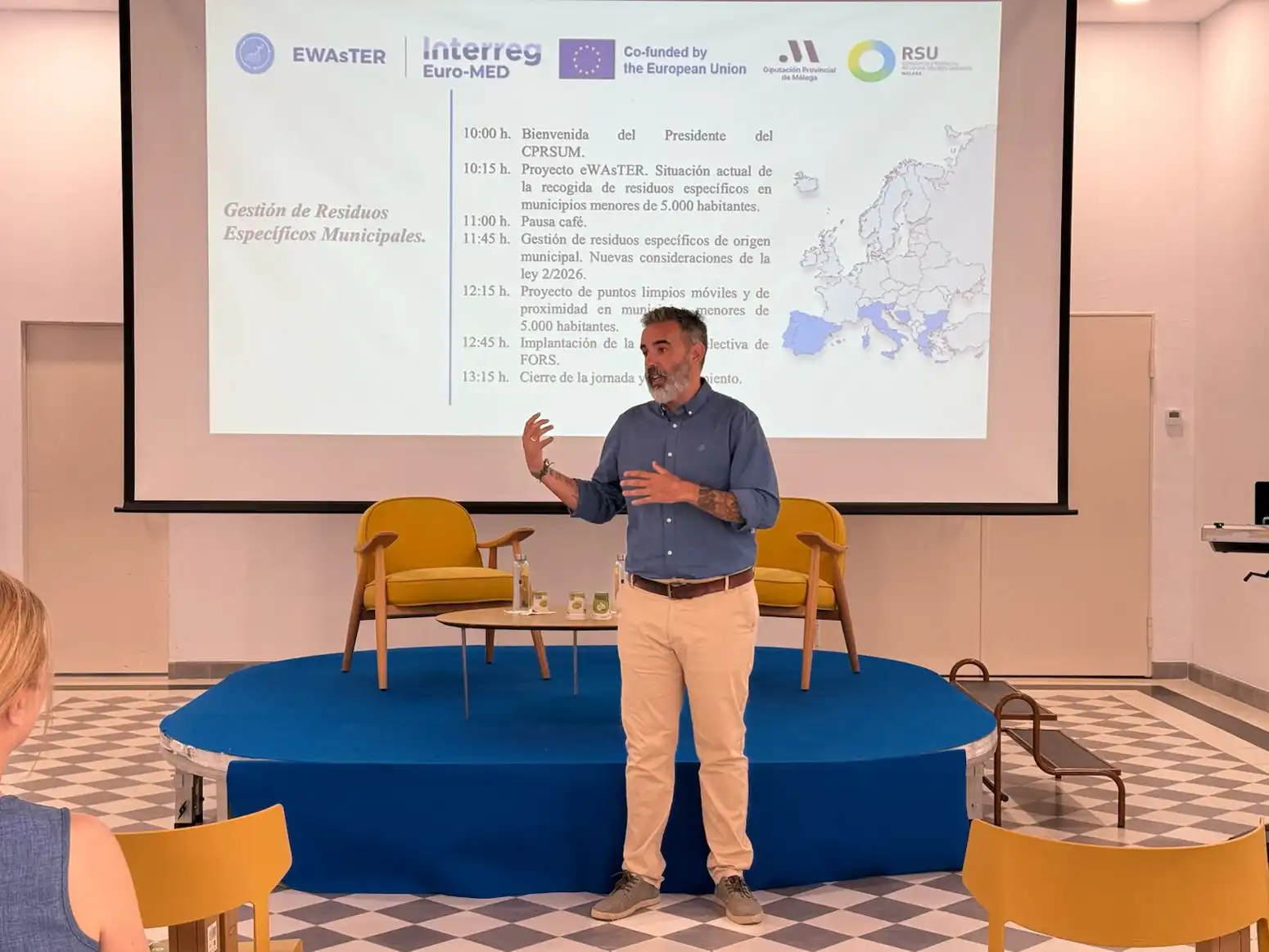
The final stakeholder event of the eWAsTER Project in Spain brought together local authorities, environmental experts, waste management professionals, and regional policymakers to discuss innovative solutions for improving waste collection and recycling services in rural municipalities across the Province of Málaga.
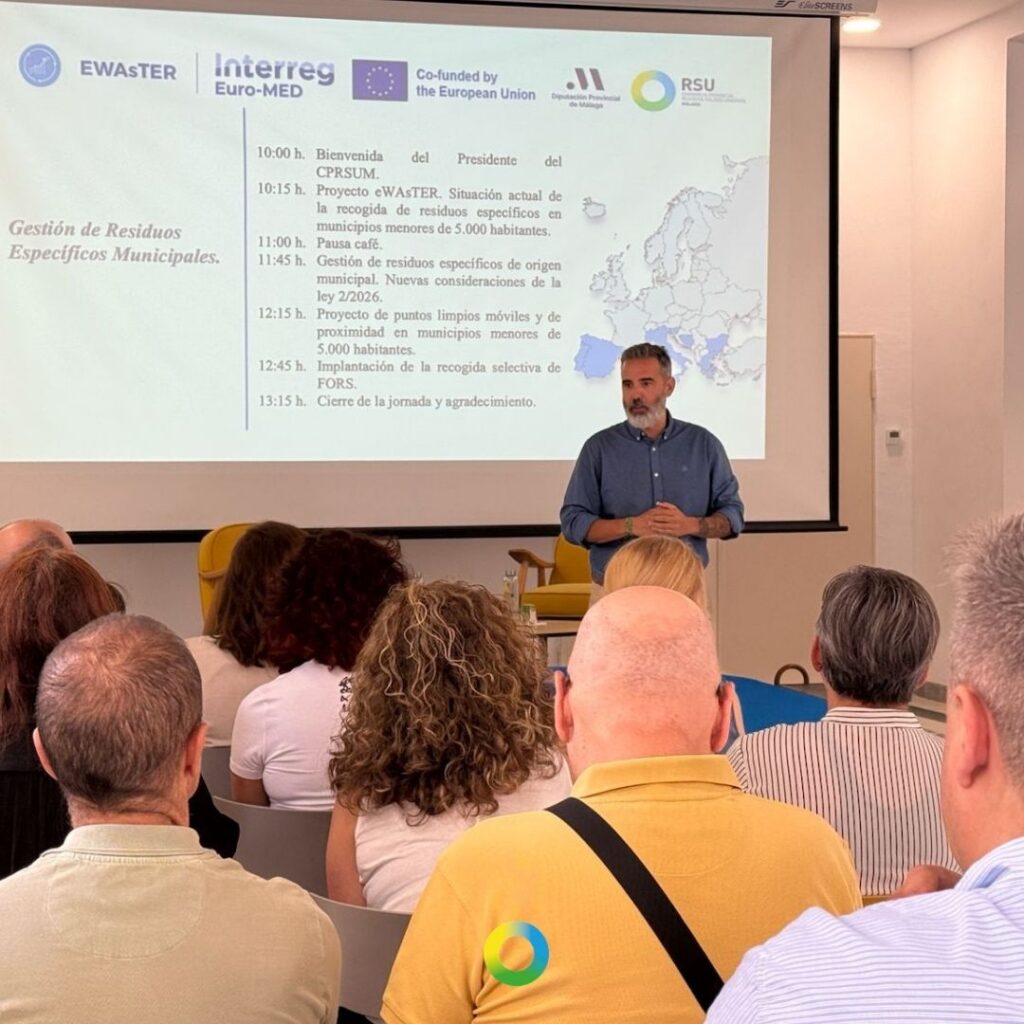
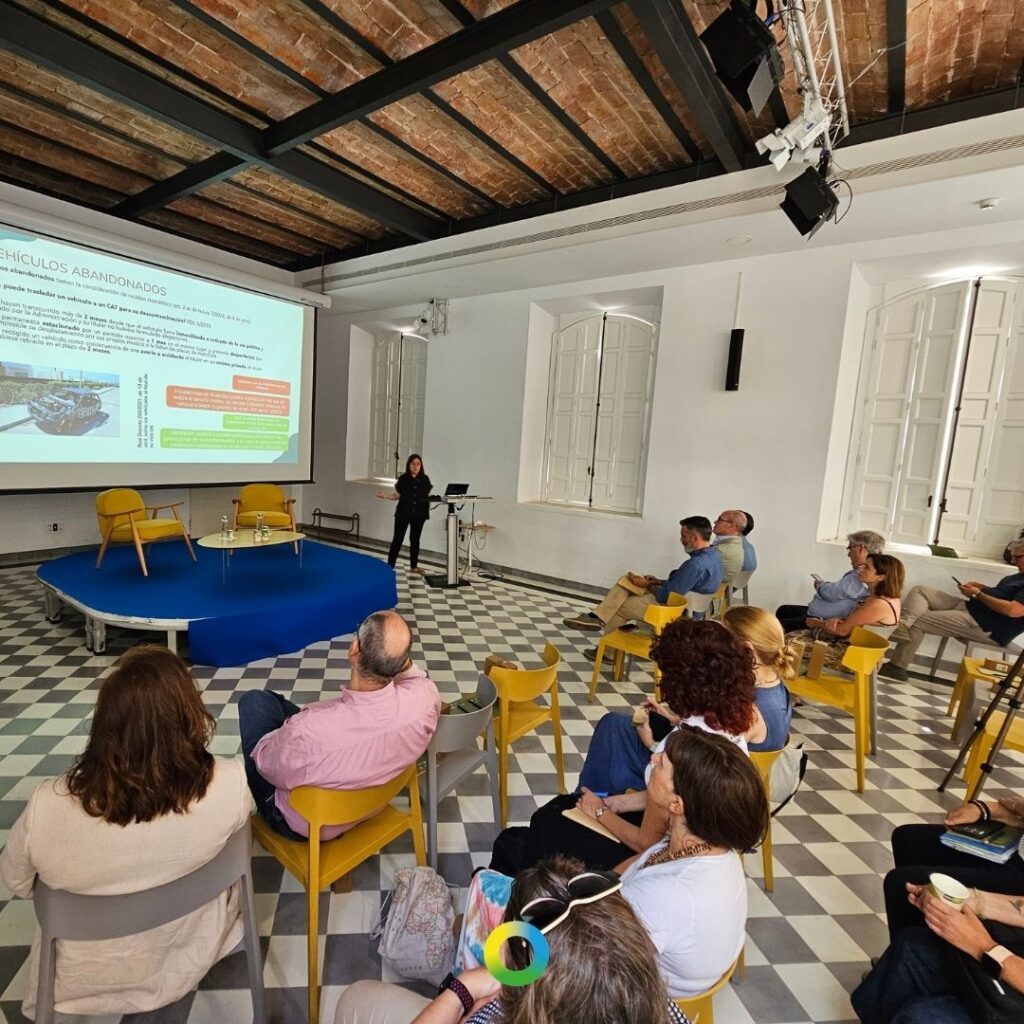
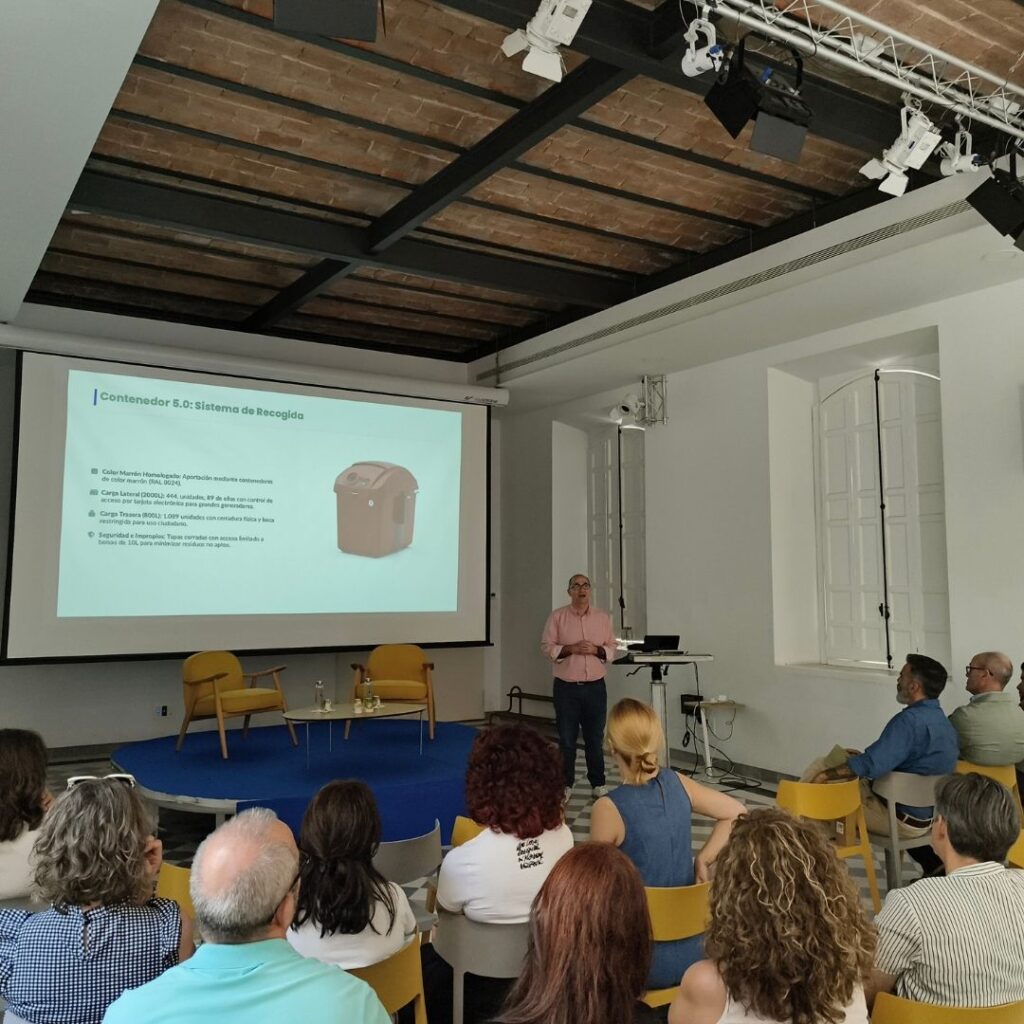
Held on 2 June at La Térmica in Málaga, the event was organized by the RSU-Málaga and attracted representatives from approximately 60% of its 91 member municipalities. Participants included the Municipal Solid Waste technical team, the President of RSU-Málaga, representatives of the Málaga Provincial Council, and officials from the Andalusian Regional Government’s Environment Department.
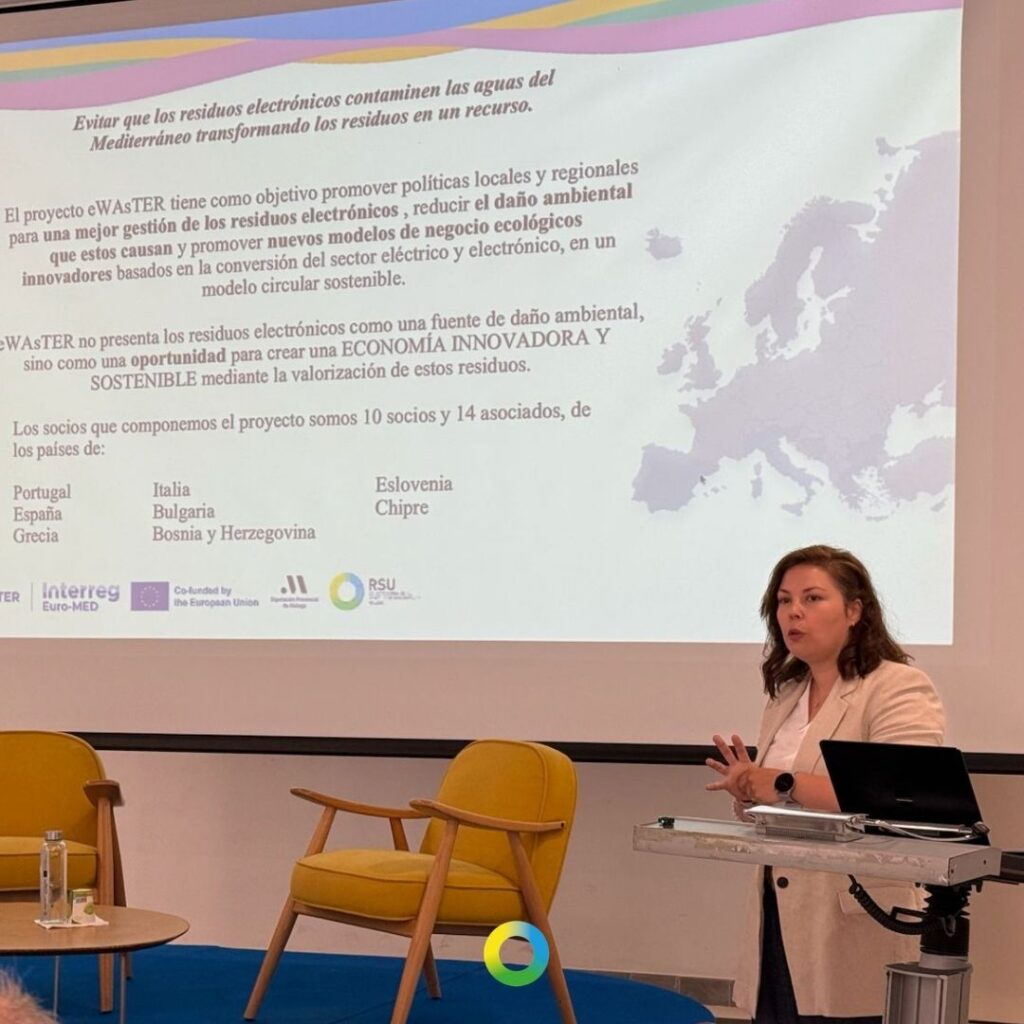
The conference served as a platform to present the final validation results of the Local Action Plan (LAP) developed within the framework of the eWAsTER Project, as well as to review the project’s achievements and discuss practical measures for improving the collection of waste electrical and electronic equipment (WEEE) and bulky waste in smaller communities.
Innovative Solutions for Small Municipalities
One of the key highlights of the event was the presentation of a new initiative promoting mobile and local recycling points for municipalities with fewer than 5,000 inhabitants. The proposal aims to address the significant challenges faced by small towns in providing suitable facilities for the collection of household appliances, electrical equipment, furniture, and other bulky waste.
According to Luis Rodríguez, President of RSU-Málaga and Deputy for Security and Emergencies of the Málaga Provincial Council, many small municipalities lack the financial resources, available land, and technical capacity needed to establish and operate conventional recycling centres.
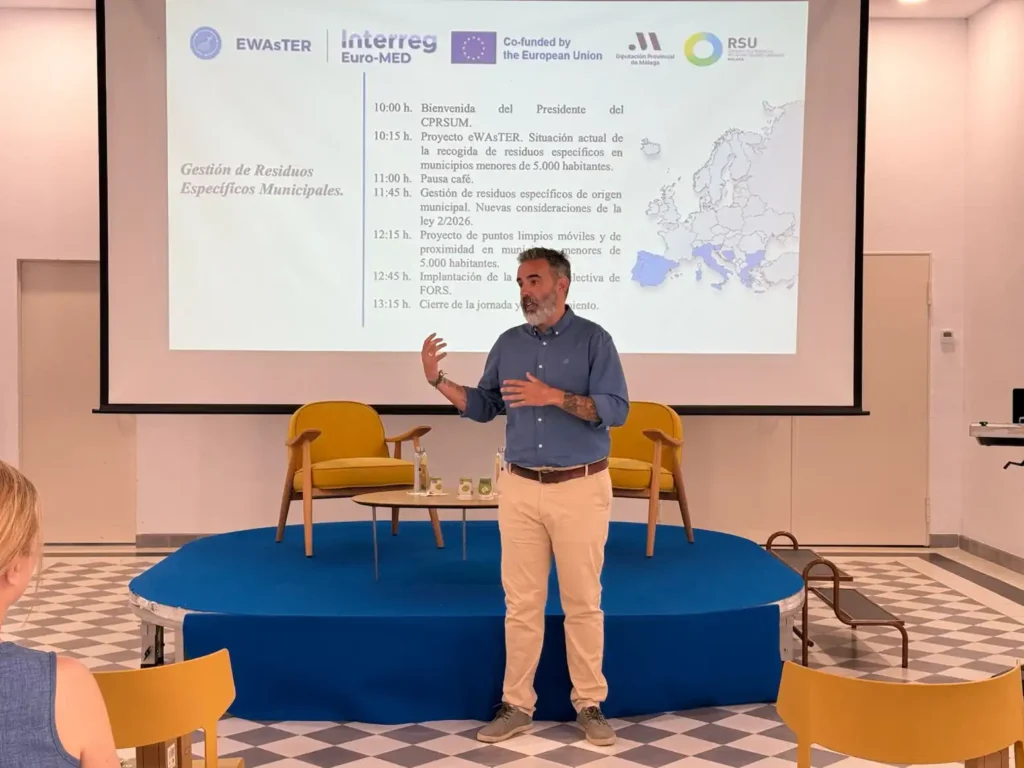 “The implementation of strategic local and mobile recycling points is emerging as an essential solution for improving the collection of this type of waste in municipalities where fixed facilities are not feasible”, Rodríguez explained.
eWAsTER Delivering Practical Results
The event demonstrated how the eWAsTER Project is helping municipalities identify practical and sustainable solutions for managing specific waste streams, particularly in rural areas.
As part of the project, RSU-Málaga carried out an extensive assessment covering 40 municipalities in the Axarquía and Serranía de Ronda regions. The study found that although 35 municipalities already operate selective collection facilities, improvements are still needed in areas such as signage, information provision, access control, storage conditions, and dedicated equipment for electronic waste management.
The findings provided valuable insights for the development of the Local Action Plan and reinforced the need for adaptable waste management models tailored to the realities of smaller municipalities.
Advancing Circular Economy Goals
In addition to discussing WEEE and bulky waste management, the conference highlighted the progress being made in the implementation of selective biowaste collection, which is currently being introduced in 41 municipalities throughout the province. Participants also exchanged views on the requirements of Spain’s updated waste legislation and explored ways to support municipalities in meeting new environmental standards while improving public services.
A Lasting Legacy Beyond the Project
The Málaga Provincial Council and RSU-Málaga reaffirmed their commitment to working closely with municipalities to implement the recommendations emerging from the eWAsTER Project and to develop practical solutions adapted to local needs. By promoting innovative collection systems, strengthening recycling infrastructure, and encouraging cooperation between local and regional stakeholders, the Province of Málaga continues to build a more sustainable and efficient waste management system.
The final stakeholder event in Spain demonstrated that the eWAsTER Project has not only delivered valuable research and recommendations but has also laid the foundation for concrete actions that will continue to benefit communities long after the project’s conclusion.